

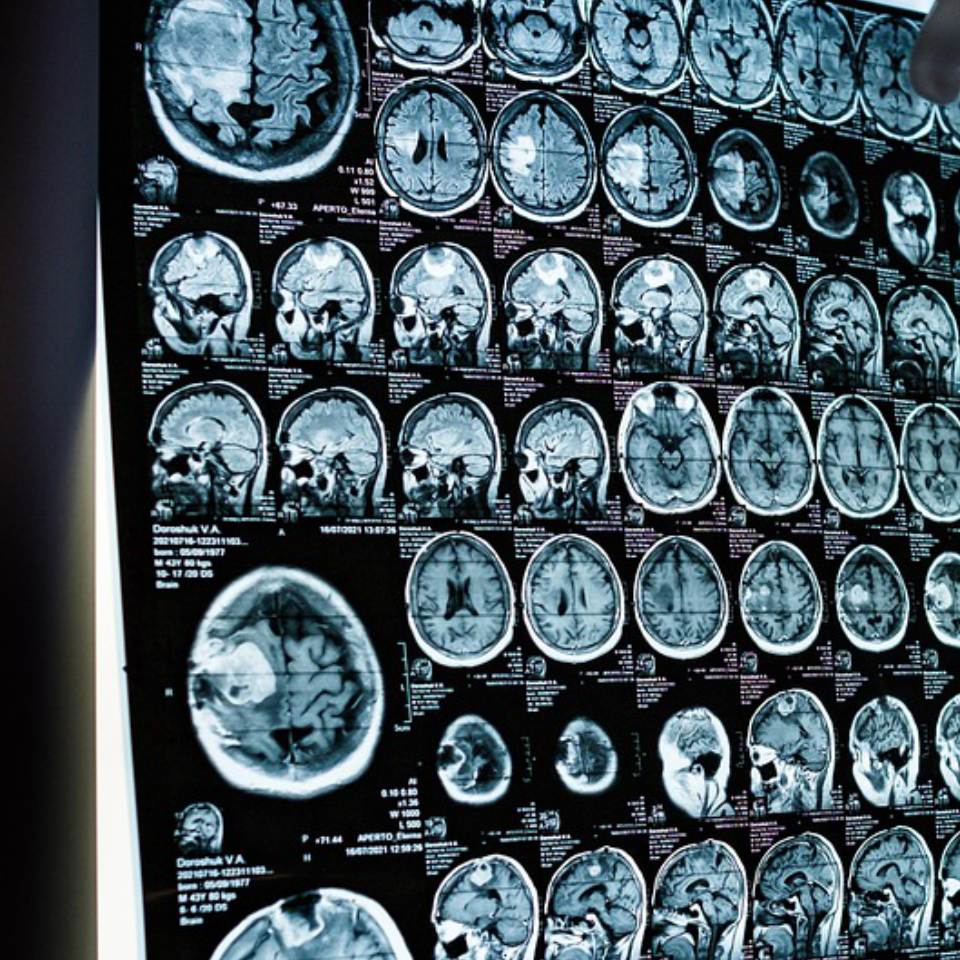
In Vivo Liquid Biopsy for Glioblastoma via AFM & LSPR Sensing of Exosomal CD44 / CD133
Application:
Non-invasive monitoring of glioblastoma malignancy using label-free biosensing of the tumor exosomes. Glioblastoma (GBM) is a devastating brain cancer with only a few effective early-diagnosis methods. In this study, the platform uses localized surface plasmon resonance based on titanium nitride (TiN) nanoholes coupled with atomic force microscopy (AFM) for ultrasensitive detection of exosomal biomarkers CD44 and CD133. This enables monitoring of the tumor progression based on in vivo liquid biopsy.
The glioblastoma produces exosomes, which are relaeased into the blood. The glioblastoma cells produce an increased amount of lactate, which increases the CD44 expression and the release of exosomes enriched in CD44 (and CD133). These exosomes enter circulation and serve as biomarkers of malignancy. Further on, the exosomes are selectively captured on TiN–NH immunocapture discs functionalized with antibodies against CD44 or CD133. The AFM tip with antibodies interacts with captured exosome proteins. Force spectroscopy measures these bindings and enables quantification of exosomal CD44. The captured exosomes modulate the local plasmon resonance on TiN nanoholes. By measuring resonance shifts, the system quantifies surface biomarker levels without labels. The platform successfully measured elevated CD44 and CD133 levels in exosomes, which were in correlation with the tumor progression.
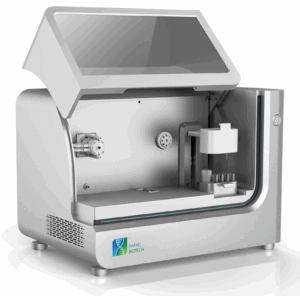
Benefits of the TiN Biosensor
Early, non-invasive detection and monitoring of the cancer biomarkers, which support early diagnosis and better prognosis. High specificity of the method, longer durability and stability of the TiN plasmonic biosensor, compared to the traditional biosensors, make this method suitable for clinical use.
.