

PLASMONIC BIOSENSOR
is a cutting-edge optical device designed to measure biological interactions and reactions. These interactions occur between a receptor and its antagonist, with light playing a crucial role in the detection process. In this context, emitted light, characterized by its dual nature as wave-particles, propagates as electromagnetic waves. Such a phenomenon is described using both phase and amplitude, where photons—classified as Bosons with a quantum spin of 1-serve as the fundamental particles in quantum mechanics.
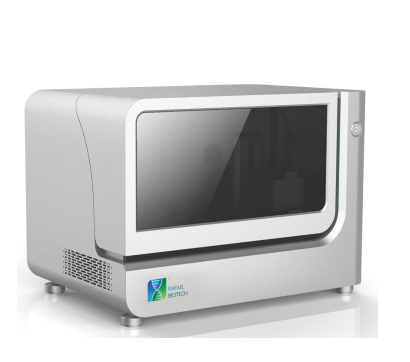
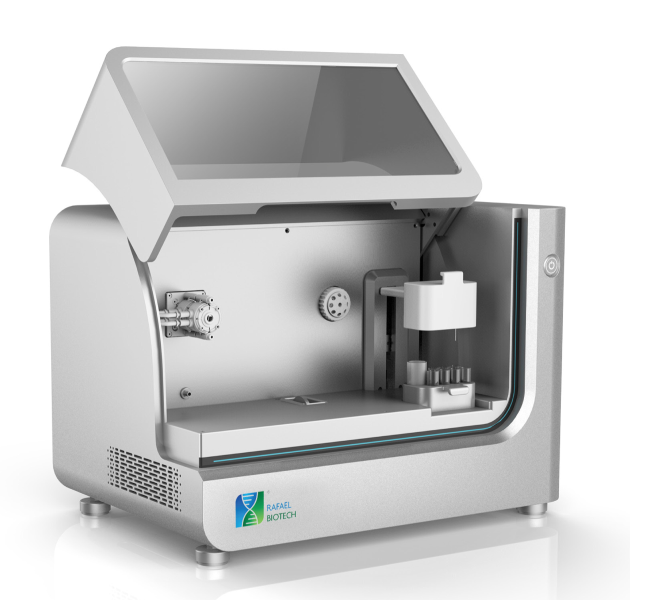
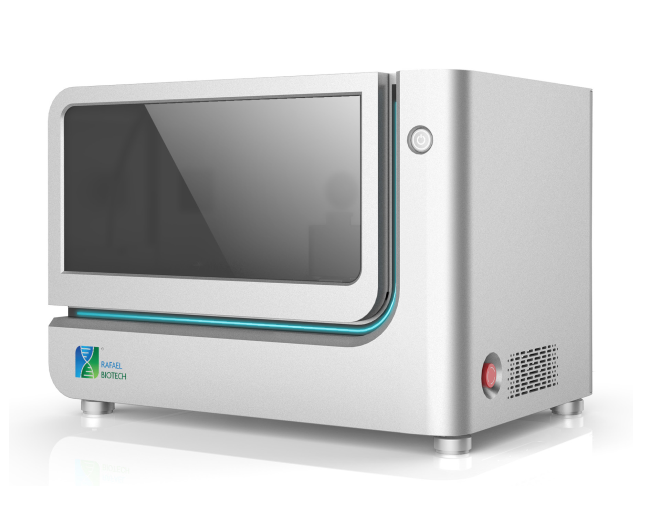
TiN Plasmonic Lab-on-a-Chip Biosensor
TiN Plasmonic Lab-on-a-Chip Biosensor represents a next‑generation, label‑free, quantum plasmonic lab‑on‑chip (QPLoC) technology. Unlike traditional technoligies, this one employs titanium nitride (TiN) nanocubes instead of traditional gold films to detect biomolecular interactions via localized surface plasmon resonance (LSPR) and phase-sensitive optical measurements. As a result, the new QPLoC offers a significant improvement in precision and sensitivity when compared to conventional methods, where the systems only measure the time-averaged amplitude of reflected light at resonance while neglecting the valuable phase information of light is neglected. Consequently, this omission limits the sensitivity and depth of insight into the interaction dynamics.
To overcome this limitation, Rafael Biotech has developed an advanced method leveraging interference techniques to measure the phase of light more effectively. Specifically, by superimposing two copies of the incident light after traversing a carefully prescribed optical path difference (OPD), this innovative approach significantly enhances measurement precision. Moreover, the integration of titanium nitride (TiN) nanotechnology further amplifies the detection capability, enabling superior performance compared to traditional SPR systems. Overall, this synergistic combination of phase-sensitive detection and TiN nanostructures marks an important step forward in quantum plasmonic biosensing.
TiN-based LSPR technology
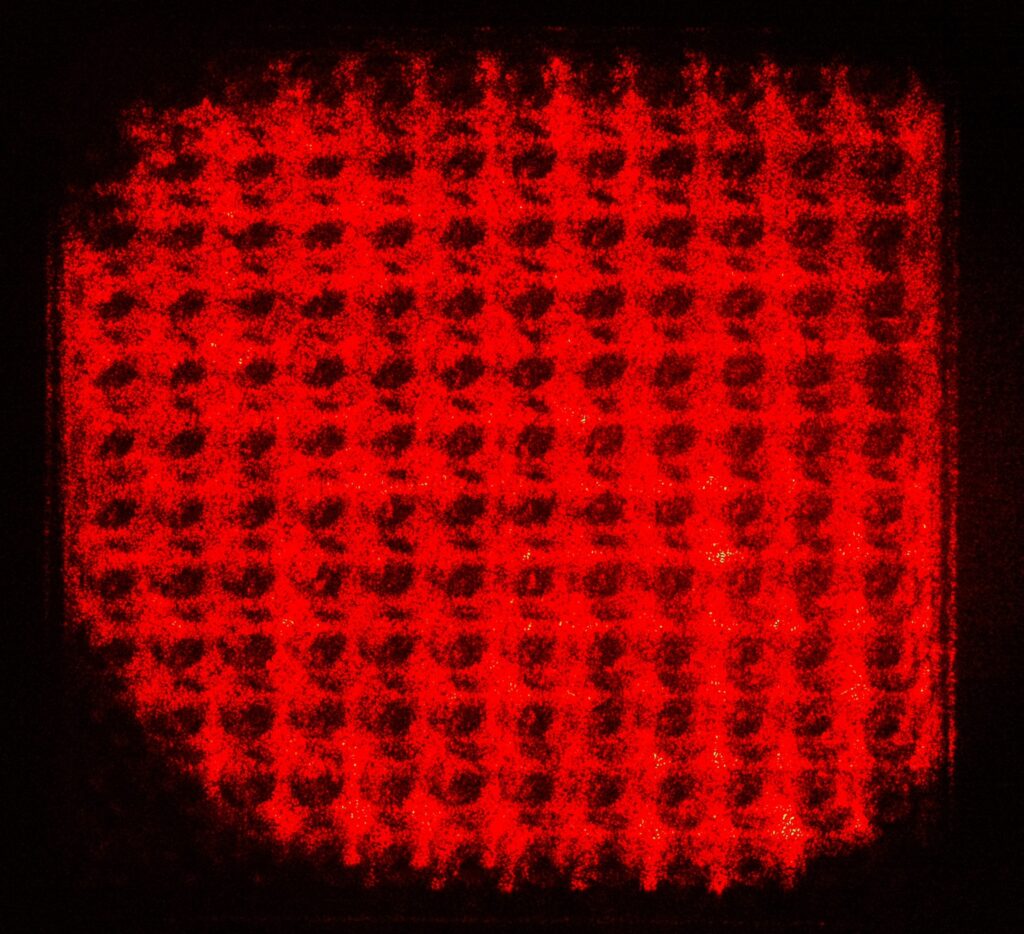
High-density 144-channel multiplexing
Automation and low reagent consumption
Real-time, label-free, quantitative detection
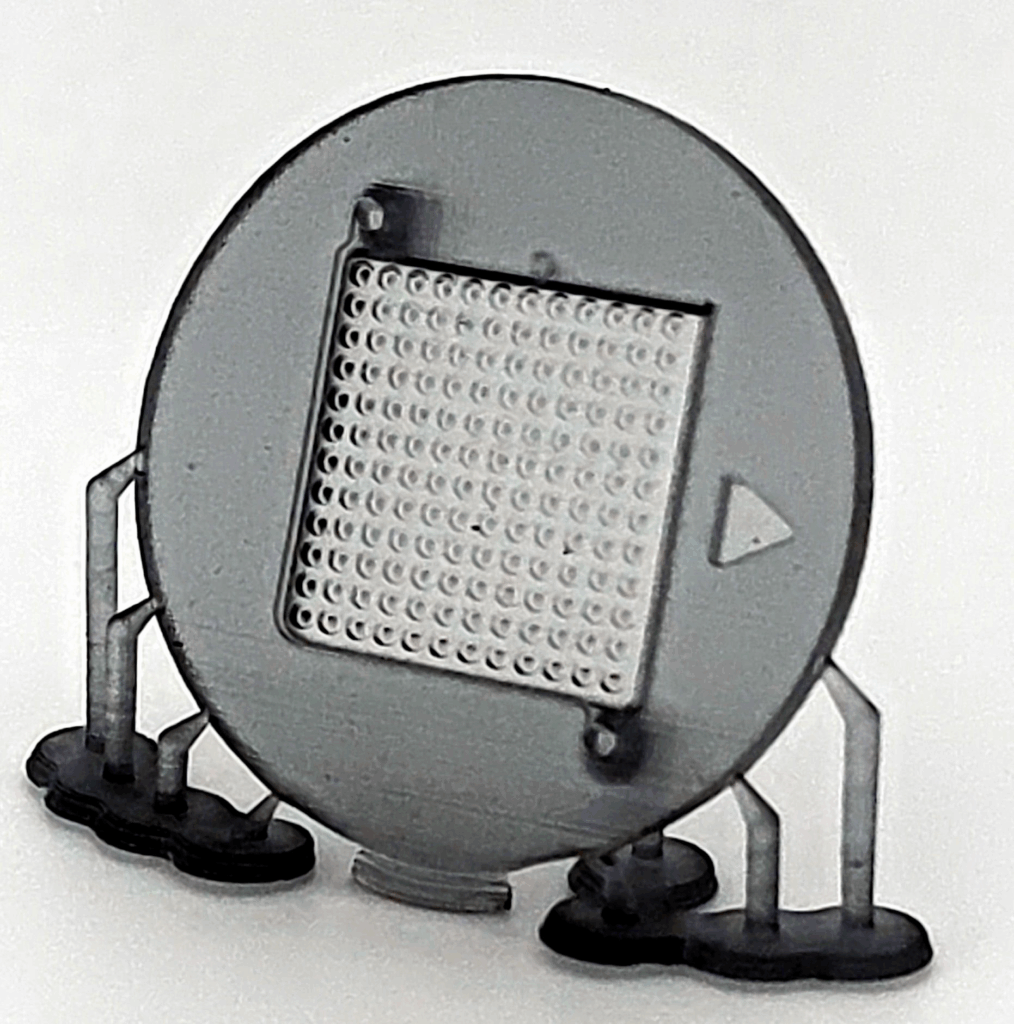
Biotin-Streptavidin Interaction as a Benchmark
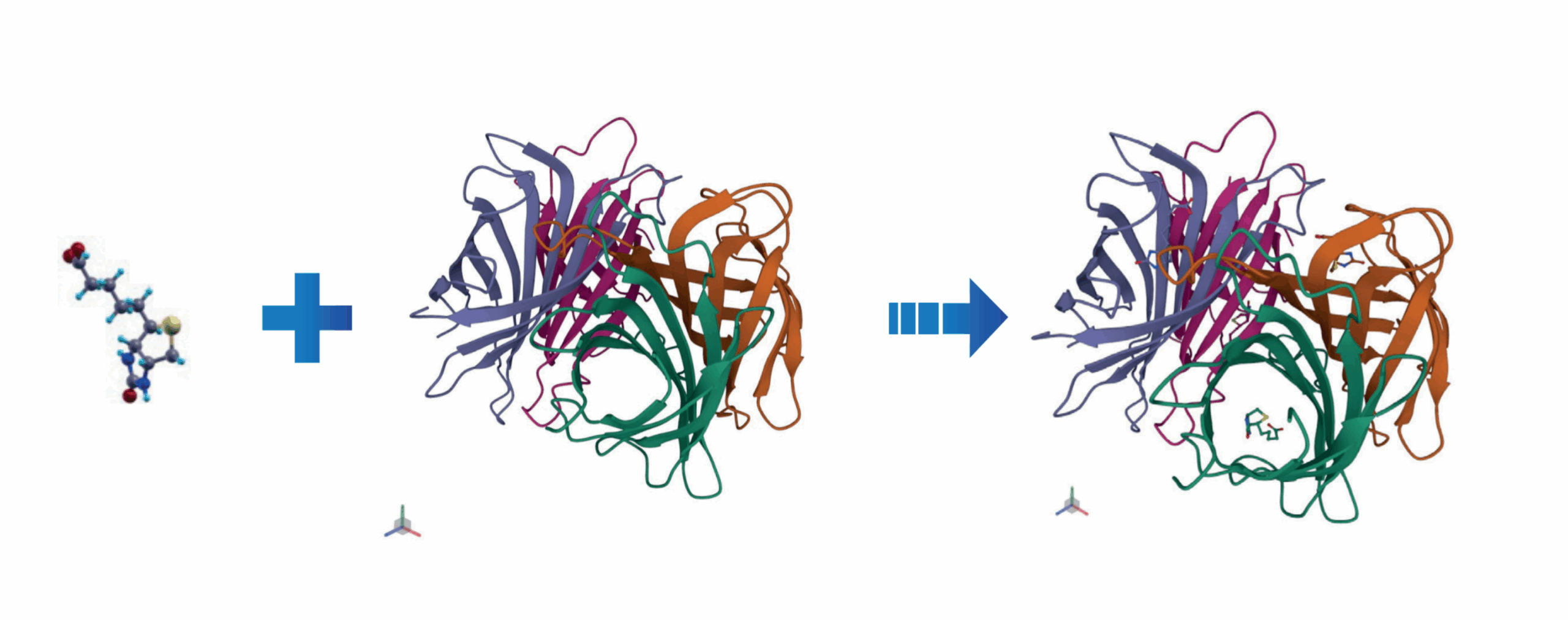
Biotin-streptavidin interaction is widely used in biosensor development because of its extremely high binding affinity. Many biosensors can detect such interactions, but achieving accurate, low-noise measurements at this level of binding affinity is challenging. Using TiN-enhanced nanotechnology, Rafael Biotech’s LSPR biosensors can measure this interaction with high precision, indicating they are capable of detecting even weaker binding events with significant confidence.
Comparison with Other Biosensor Technologies
| Feature | Traditional Gold/Silver LSPR | Other Optical Biosensors (SPR, Fluorescence) | Rafael Biotech TiN-Enhanced LSPR |
|---|---|---|---|
| Material Stability | Moderate (oxidation risk) | Varies (depends on method) | High (resistant to oxidation/corrosion) |
| Sensitivity to Binding | Good | High (but requires labeling in fluorescence) | Ultra-high (label-free, sharper peaks) |
| Resolution in Real-time Kinetics | Moderate | High (labeling improves kinetics) | Exceptional (precise refractive changes) |
| Reuse Capability | Limited (material degradation) | Limited (depends on material/system) | High (stable over repeated use) |
| Cost-effectiveness | Moderate | Often high (fluorescence probes) | Cost-effective, durable material |
The Rafael Biotech’s TiN Plasmonic Lab-on-a-Chip Biosensor shines in fields where sensitivity, stability, and cost-effectiveness are crucial: